
Owning a home means budgeting for more than just your monthly payment, since roofs age, pipes leak, and appliances break down without warning. Many homeowners underestimate how much routine upkeep actually costs each year, which can lead to stressful surprises when something finally gives out. Planning ahead with a realistic annual maintenance budget helps you protect your investment, avoid emergency debt, and keep small issues from turning into expensive repairs. This guide breaks down what to expect, room by room and system by system, so you can plan with confidence.
Understanding Why Maintenance Budgeting Matters
Every home, regardless of age or size, requires ongoing attention to stay safe, functional, and valuable. Deferred maintenance tends to compound, turning a small fix into a major renovation if ignored for too long — a $200 roof leak repair, left unaddressed, can escalate into $10,000 worth of structural and mold damage within a couple of years.
Setting aside money specifically for upkeep, separate from your regular household expenses, gives you a cushion when something unexpected happens. Many financial planners suggest budgeting 1% to 4% of your home’s value annually for maintenance, depending on its age; a $350,000 home might warrant $3,500 to $14,000 set aside each year.
Thinking of maintenance as a predictable annual cost, rather than a rare emergency, changes how you plan financially for your property. It also protects your credit and savings, since you’re less likely to rely on high-interest credit cards or loans when a furnace or water heater fails without warning.
- Regular upkeep preserves resale value and curb appeal — realtors estimate deferred maintenance can shave 5-10% off a home’s sale price
- Small repairs now often prevent larger, costlier problems later, like a $200 roof patch avoiding a $10,000 structural repair down the road
- A dedicated maintenance fund reduces reliance on credit cards or loans, sparing you interest charges that can turn a $500 fix into an $800 debt
- Financial experts often recommend budgeting 1-2% of your home’s value annually, adjusted upward for older homes or aging systems
- Insurance policies rarely cover damage caused by neglect, so a burst pipe from an ignored leak may leave you paying the full repair cost out of pocket
- Planning ahead also helps you time big-ticket replacements, like HVAC systems or roofing, before they fail unexpectedly during peak season
Calculating a Realistic Starting Budget
A common rule of thumb suggests setting aside one to two percent of your home’s purchase price annually for maintenance and repairs. For a 350,000 dollar home, that translates to roughly 3,500 to 7,000 dollars per year, though older homes or those with outdated systems often need more. Homes built before the 1980s, for instance, may push closer to the 2 to 3 percent range once you account for aging wiring, plumbing, or roofing that’s nearing the end of its lifespan.
This figure should be treated as a starting point rather than a fixed rule, since climate, home age, and lot size all influence actual costs. A home in a humid coastal region may face higher costs from mold prevention and exterior wear, while one in a snowy climate needs a bigger allowance for roof upkeep, gutter maintenance, and heating system servicing. Larger lots add their own expenses too, from irrigation repairs to tree trimming and fence upkeep, so square footage of the property itself matters almost as much as the size of the house.
A more precise approach is to break the annual figure into categories: routine upkeep like HVAC servicing and gutter cleaning, mid-size repairs such as water heater or appliance replacement, and larger reserve funds for roofing or foundation work that only comes up every decade or two. Building a simple spreadsheet with these three tiers helps homeowners see where their money is actually going rather than relying on one lump estimate.
Many homeowners factor this maintenance line item alongside other housing costs when reviewing their mortgage loans and monthly budget, since it directly affects long term affordability. Lenders typically calculate debt-to-income ratios based on the mortgage payment alone, which means maintenance costs can catch new buyers off guard if they aren’t planned for separately from day one.
It also helps to track your actual spending for a year or two so you can refine your estimate going forward. Break expenses into categories like HVAC servicing, plumbing repairs, lawn care, appliance replacement, and pest control, since lumping everything together makes it harder to spot which systems are draining your budget fastest.
Some months will require little to nothing, while others, like when a furnace fails in winter or a water heater bursts in the basement, can eat up your entire annual allowance at once. A single furnace replacement can run $3,000 to $7,000, which is why smoothing costs over a full year, rather than judging by any one month, gives a truer sense of what you’re spending.
Keeping a simple spreadsheet or a budgeting app dedicated to home expenses, such as Mint, YNAB, or even a basic Google Sheet, makes it easier to spot patterns and plan for recurring seasonal costs. Note the date, cost, and category for every repair or purchase, then review the log at year’s end to see which line items consistently run higher than expected. Over time, this record becomes a far more accurate budgeting tool than any generic percentage-based rule.
Protecting Your Roof and Drainage Systems
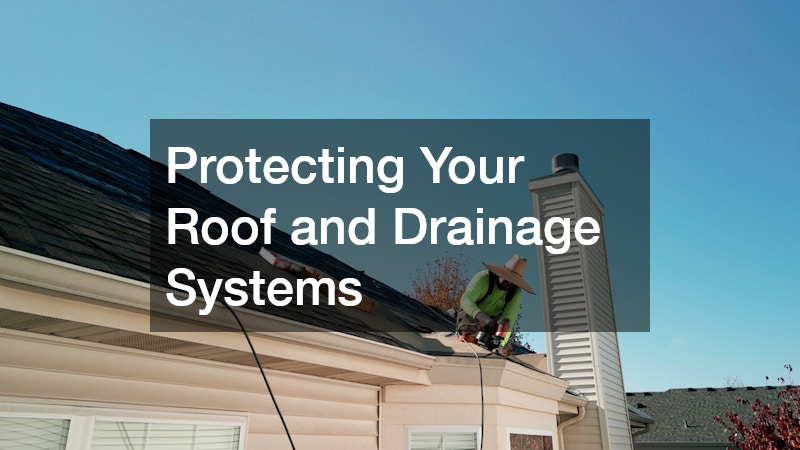
Your roof is one of the most expensive components of your home to replace, so catching small issues early can save thousands of dollars down the road. Scheduling an inspection with a local roofing company once a year, ideally after storm season, helps identify loose shingles, flashing damage, or early signs of leaks before they cause interior damage. Most roofing professionals charge a modest fee for inspections, which is far cheaper than the cost of water damage repair or premature roof replacement.
Gutters work hand in hand with your roof to direct water away from your foundation, and neglecting them can lead to serious structural problems. Clogged or damaged gutters cause water to pool near your foundation, potentially leading to basement leaks or cracked concrete. Budgeting for periodic gutter repairs, along with seasonal cleaning, is a relatively small expense compared to the cost of foundation repair or mold remediation.
- Schedule roof inspections annually or after major storms
- Clean gutters at least twice a year, more often near trees
- Watch for granules in gutters, a sign of shingle wear
- Address minor leaks immediately to prevent structural damage
Keeping Your Plumbing System Running Smoothly

Plumbing problems rarely announce themselves gradually, they often show up as sudden leaks, clogs, or complete pipe failures. Budgeting a few hundred dollars annually for plumbing repairs allows you to address minor issues, like a dripping faucet or running toilet, before they waste water and inflate your utility bills. Older homes with galvanized or outdated piping should budget more generously, since these systems are more prone to corrosion and unexpected failure.
Slow drains are often an early warning sign of a bigger blockage forming somewhere in your plumbing system. Professional drain cleaning once every year or two can clear buildup from grease, hair, and mineral deposits before they cause a full backup. This proactive step is typically far less expensive than an emergency call for a completely blocked sewer line.
- Fix small leaks quickly to avoid water damage and mold
- Have main drain lines inspected periodically in older homes
- Avoid pouring grease or coffee grounds down kitchen drains
- Know the location of your main water shutoff valve
Maintaining Heating and Cooling Efficiency
Your HVAC system is one of the hardest working components in your home, running for hours every day depending on the season. Regular filter changes, thermostat calibration, and seasonal tune-ups can extend the life of your unit significantly and reduce the odds of a costly midwinter or midsummer breakdown. Budgeting for a professional HVAC repair or maintenance visit once or twice a year is far cheaper than replacing an entire system that fails from neglect.
Many manufacturers recommend annual servicing to keep warranties valid, so skipping maintenance could cost you more than just repair fees. Dirty filters and clogged coils force your system to work harder, which increases energy bills over time. Setting aside a modest amount each month for HVAC upkeep spreads the cost out and prevents budget strain when servicing season arrives.
- Replace air filters every one to three months
- Schedule professional tune-ups in spring and fall
- Clean outdoor condenser units of debris and vegetation
- Monitor unusual noises or odors as early warning signs
Ensuring Electrical Safety Throughout the Home
Electrical issues are among the most dangerous home problems to ignore, since faulty wiring can lead to fires or serious injury. Flickering lights, warm outlets, or frequently tripped breakers are all signs that it is time to call a licensed electrician for an inspection. Budgeting for periodic electrical checkups, especially in homes older than 20 years, helps catch outdated wiring or overloaded circuits before they become safety hazards.
Many homeowners overlook electrical maintenance because problems are not always visible, unlike a leaking pipe or a cracked window. Panels, outlets, and wiring naturally degrade over time, and adding modern appliances to an older system can push capacity limits. Setting aside funds annually for professional inspection and minor upgrades is a smart way to protect both your family and your property value.
- Test smoke detectors and GFCI outlets regularly
- Watch for discolored outlets or a persistent burning smell
- Upgrade outdated panels before adding major appliances
- Never attempt major electrical repairs without proper training
Refreshing Interior Surfaces and Finishes
Interior upkeep is often more about preserving value and comfort than fixing something broken. Walls, trim, and ceilings benefit from a fresh coat of paint every five to seven years, both to protect surfaces and update your home’s appearance. Visiting local paint stores for advice on durable, washable finishes can help you choose products suited to high traffic areas like hallways, kitchens, and bathrooms.
Furniture and soft surfaces also need regular attention to stay in good condition and maintain a healthy indoor environment. Professional upholstery cleaning once or twice a year removes dust, allergens, and stains that regular vacuuming cannot fully address, extending the life of your furniture. Budgeting for this service alongside your painting projects keeps your home looking well cared for without a major renovation.
- Repaint high traffic rooms more frequently than bedrooms
- Choose washable, scuff resistant paint for kitchens and hallways
- Schedule upholstery cleaning before allergy season if possible
- Address minor wall damage before repainting for a smoother finish
Caring for Your Lawn and Outdoor Spaces

Outdoor maintenance affects both curb appeal and long term property value, so it deserves its own line item in your annual budget. Regular mowing, trimming, and seasonal cleanup keep your lawn healthy and prevent overgrowth that can attract pests or damage siding and fences. For busy homeowners, hiring lawn mowing services on a weekly or biweekly basis during growing season can be more cost effective than buying and maintaining equipment yourself.
Beyond mowing, seasonal tasks like aerating, fertilizing, and trimming trees near the house help protect your foundation and roofline from damage. Overgrown branches can scrape shingles or clog gutters, creating problems that circle back to your roof and drainage budget. Planning for these outdoor tasks throughout the year prevents a scramble of expensive fixes right before selling or hosting guests.
- Mow regularly to encourage healthy, even grass growth
- Trim trees and shrubs away from the roofline and siding
- Aerate and fertilize lawns seasonally for long term health
- Clear leaves and debris before winter to prevent rot
Building a Dedicated Home Maintenance Fund
Once you have estimated your annual costs across roofing, plumbing, HVAC, and other categories, the next step is setting up a separate savings account just for home upkeep. Automating a monthly transfer, even a modest one, builds a cushion that grows steadily throughout the year. This approach prevents maintenance costs from competing with your regular monthly bills or forcing you into high interest debt when something breaks.
It also helps to review your fund annually and adjust contributions based on your home’s age and recent repair history. Homes with older roofs, aging HVAC systems, or outdated plumbing typically need a larger cushion than newer builds. Treating this fund as a non-negotiable expense, similar to insurance or property taxes, keeps your finances stable no matter what surprises come up.
- Automate monthly transfers into a dedicated savings account
- Reassess your fund yearly based on home age and repair history
- Prioritize high cost systems like roofing and HVAC in your planning
- Keep the fund separate from general emergency savings if possible
A well planned maintenance budget turns unpredictable home repairs into manageable, expected expenses. By breaking costs down by system, from roofing and plumbing to lawn care and interior finishes, you gain a clearer picture of what your home truly needs each year. Start by estimating your annual figure, set up a dedicated savings account, and adjust your plan as your home ages. Taking these steps now means fewer financial surprises and a home that stays safe, functional, and valuable for years to come.