

A better lifestyle isn’t created through dramatic overnight transformations—it’s shaped by the small, steady financial choices we make every day. Most people think of financial improvement as something tied to big milestones: buying a home, getting a raise, paying off major debt. But in reality, everyday decisions play an even greater role. The way you manage your daily spending, respond to unexpected costs, maintain your home, and plan ahead creates the foundation for both financial comfort and emotional well-being.
These decisions also compound. A repaired device today prevents a costly replacement next month. A few organized financial habits prevent tax-season stress every year. Even simple routines like meal planning or decluttering can open space—not just in your wallet, but in your time and mental energy. When these choices stack on top of each other, they create meaningful, lasting improvement.
This article explores practical, actionable strategies across many areas of daily life so readers can create a lifestyle that feels more secure, more flexible, and more fulfilling. Each section highlights ways to make thoughtful money decisions—choices that reduce stress, strengthen financial stability, and support overall well-being. By turning these ideas into daily habits, you can build a better lifestyle one manageable step at a time.
1. Start by Evaluating What You Already Own and Reduce Clutter
Many people overlook the value of items they already have in their homes. Cabinets, closets, drawers, and storage bins often contain things we no longer use—but that still carry real value. Decluttering is not just a way to create a cleaner, more peaceful home environment; it can also produce immediate cash flow and encourage more intentional spending habits.
A practical starting point is to go room by room and identify what you haven’t used in the past year. Items such as jewelry, collectibles, tools, and unused electronics often retain significant value. If you discover pieces of old jewelry or precious metals, selling them to a local gold buyer can provide an instant financial boost. This step alone can help fund emergency savings, reduce debt, or cover upcoming expenses without touching your primary income.
Try using this simple decluttering method:
-
Sort items into four categories: keep, sell, donate, discard.
-
Look up the potential resale value of higher-end or specialty items.
-
Take clear, well-lit photos for online listings.
-
Set a goal to sell a few items each month to maintain momentum.
Reducing clutter not only frees physical space but also helps you think more clearly about the financial choices that matter most.
2. Improve Budget Flexibility When Transitioning Homes or Downsizing
Relocating, whether for work, family, or lifestyle changes, can quickly become expensive if not planned carefully. Moving almost always involves unexpected expenses—from packing supplies to cleaning fees to storage needs. But with strategic decisions, you can make the process far more affordable.
One budget-friendly option is hiring a labor only moving service, which allows you to transport belongings yourself while still getting help with the heavy lifting. For people who already have access to a truck or trailer, or who are moving a short distance, this can dramatically reduce relocation costs.
Other ways to simplify the financial side of moving include:
-
Move during weekdays or off-season months when prices are lower.
-
Reuse materials, such as boxes from local stores or community groups.
-
Downsize aggressively, reducing the number of items you need to pack and move.
-
Compare utility setup fees in advance to avoid surprise charges.
-
Prepare a moving budget, separating needs from conveniences.
These small steps may seem insignificant individually, but they add up to meaningful savings. By planning ahead and choosing cost-efficient support services, you create more room in your budget for building long-term financial stability.
3. Prepare for Life’s Inevitable Moments With Dignity and Cost Awareness

While it’s uncomfortable to think about, planning for end-of-life needs is an essential part of long-term financial well-being. Many families face financial pressure during emotionally difficult times, and the lack of preparation often increases both stress and costs.
Taking the time now to discuss preferences with loved ones creates clarity and protects everyone involved. For many families, exploring options such as affordable cremation can help lower expenses without compromising dignity. Understanding pricing and what is included in different services empowers you to make informed decisions before a crisis occurs, and you’ll be able to more closely follow your loved one’s final wishes.
Helpful steps include:
-
Reviewing local providers and their service packages.
-
Documenting personal wishes in writing.
-
Setting aside a small fund specifically for end-of-life expenses.
-
Communicating plans with next of kin to avoid confusion.
By addressing these matters early, you reduce emotional strain later and ensure your family remains financially stable during challenging times.
4. Strengthen Long-Term Security by Building a Predictable Financial Roadmap
Everyday financial habits have a direct relationship with long-term stability. Even small actions—saving spare change, automating transfers, or reducing unnecessary subscriptions—create momentum. One of the most impactful ways to align daily decisions with future well-being is through thoughtful retirement planning.
This doesn’t mean making elaborate financial forecasts on day one. Instead, it involves establishing goals and gradually instilling smart financial habits:
-
Contributing to retirement accounts consistently, even in small amounts.
-
Reviewing financial goals annually.
-
Tracking spending patterns to find areas where savings can grow.
-
Learning the basics of investment diversification.
These daily or weekly habits compound over time. A small adjustment today—like reallocating a recurring expense toward your future—can translate into long-term financial security. With each better choice, the future feels less uncertain, and a more comfortable lifestyle becomes attainable.
5. Prevent High Household Costs by Maintaining Essential Equipment
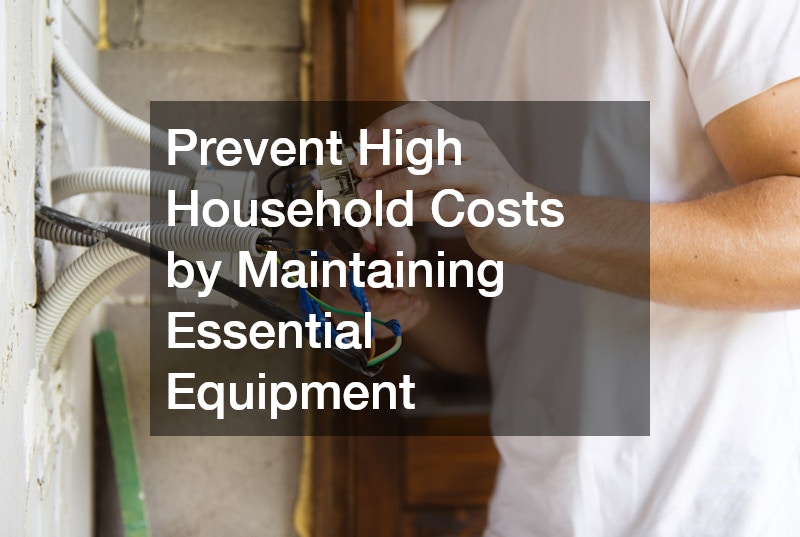
Homeowners often underestimate the cost of replacing major household appliances. Unexpected failures can disrupt routines and create significant financial stress. Developing a proactive approach to maintaining essential equipment saves money and extends the lifespan of important items.
Simple, consistent routines—such as cleaning filters, checking vents, and inspecting seals—help prevent breakdowns. When issues arise, addressing them through timely appliance repair is usually far more cost-effective than buying new equipment. Repairing instead of replacing also reduces waste and allows you to plan ahead for eventual upgrades.
A few practical maintenance tips include:
-
Schedule seasonal checkups for equipment like HVAC systems.
-
Clear refrigerator coils of dust to improve efficiency.
-
Inspect washers and dishwashers for leaks or hose wear.
-
Avoid overloading appliances, which shortens their lifespan.
-
Keep a running maintenance calendar for easy reminders.
By treating maintenance as a monthly habit rather than a reaction to emergencies, you protect your wallet from sudden, overwhelming expenses. Not only will you save yourself money, but also an inordinate amount of stress.
6. Leverage Community Support Systems to Reduce Lifestyle Expenses
Social connection is an often-overlooked part of financial well-being. Strong communities not only provide emotional support but also practical assistance that reduces everyday expenses. Participating in local groups can lead to shared resources, volunteer help, group activities, and opportunities to learn or exchange services.
For some people, a welcoming church community can become a source of mutual support—offering shared meals, clothing drives, low-cost events, or help during difficult times. But community support can take many forms beyond religious groups as well: neighborhood associations, volunteer organizations, clubs, amateur sports teams, or other types of interest groups.
Ways a community can help reduce daily financial strain include:
-
Childcare swaps between families.
-
Neighborhood lending libraries for tools or equipment.
-
Group shopping trips for bulk discounts.
-
Free or low-cost social events that replace expensive outings.
-
Peer advice on local resources, programs, or opportunities.
By staying connected to other like-minded individuals, you gain access to information and shared resources that help stretch your budget while improving your quality of life.
7. Stay Organized During Tax Season to Avoid Overspending and Penalties

Tax season often brings stress, but a few consistent habits throughout the year can make the process much smoother and less expensive. Disorganization leads to missed deductions, late filing fees, and unnecessary panic—yet these issues are entirely avoidable with steady attention.
Developing a tax routine might include keeping receipts in one place, maintaining digital folders for financial documents, or reviewing spending categories monthly. When financial situations grow more complicated, using a tax service can provide professional clarity, ensure compliance, and help optimize refunds.
To stay prepared year-round:
-
Store documents immediately rather than letting them pile up.
-
Use a calendar to track important tax dates.
-
Check withholding and estimated payments periodically.
-
Keep records of donations, healthcare costs, and home improvements.
-
Review tax law changes annually to stay informed.
These consistent habits help protect your finances, reduce anxiety, and ensure that tax season becomes predictable rather than overwhelming.
8. Protect Your Household Budget by Prioritizing Preventive Care for Animals
Pets are beloved family members, but their medical needs can become unexpectedly expensive without proper planning. Emergency visits can cost hundreds or even thousands of dollars. Preventive care, regular checkups, and early detection help avoid these major expenses.
Scheduling routine visits at a pet clinic allows veterinarians to catch potential issues before they escalate. Vaccinations, dental cleanings, weight monitoring, and parasite prevention may seem routine, but they save significant money in the long run.
To build pet care into your financial planning, consider:
-
Creating a monthly pet savings fund.
-
Comparing different providers for price transparency.
-
Buying certain supplies, like medications, through reputable online sources.
-
Learning the signs of common health issues.
Prioritizing preventive care ensures your pets stay healthy and helps your household avoid sudden financial burdens.
9. Plan Ahead for Aging-Related Needs to Reduce Future Financial Stress
Aging is a natural part of life, but it brings long-term financial considerations many people overlook until they’re faced with urgent decisions. Researching aging-related expenses early provides clarity and ensures families can prepare responsibly.
One of the most significant factors to understand is assisted living cost, which varies widely depending on location, level of care, and available amenities. By gathering this information early, families can create strategic savings goals, evaluate options, and discuss preferences long before a crisis occurs.
Helpful planning steps include:
-
Comparing facilities and care levels in your region.
-
Reviewing long-term care insurance options.
-
Estimating future medical and daily-living needs.
-
Discussing responsibilities and expectations among family members.
-
Creating a written plan so everyone understands next steps.
Preparing ahead reduces emotional strain and helps families remain financially stable as health needs change over time.
10. Build a Smarter Everyday Spending Routine Around Food Choices
Food spending is one of the easiest daily categories to adjust—and one of the most impactful for improving overall financial health. With a little planning and routine, you can significantly reduce unnecessary costs while still enjoying good meals.
Dining out can be enjoyable, but frequent trips to restaurants quickly add up. Instead of eliminating them entirely, create guidelines that help you enjoy them intentionally and affordably. For example, you might choose to dine out only on weekends, order simpler dishes, or set a monthly budget for these experiences.
To reduce food-related spending:
-
Plan weekly meals around sales or seasonal produce.
-
Cook larger batches for leftovers throughout the week.
-
Use a grocery list to prevent impulse purchases.
-
Track how often you eat out, and adjust as needed.
-
Try theme nights—like pasta night or soup night—to simplify planning.
A more mindful approach to food spending supports a balanced lifestyle, better nutrition, and increased financial stability over time.
Daily financial decisions shape the kind of life we’re able to live—one filled with comfort, stability, and confidence. The small habits you adopt today become the foundation of your long-term financial health. Whether you’re focusing on maintaining your home, preparing for the future, organizing important documents, caring for your pets, or simply spending more mindfully, each step moves you closer to a better lifestyle.
The beauty of these choices is that none of them require perfection. Even small changes—selling unused items, improving routine maintenance, planning meals, or engaging more with your community—create meaningful progress. Over time, these habits support reduced stress, clearer priorities, and greater flexibility in how you spend your money and your time.
By approaching daily finances with intention and consistency, you can build a lifestyle that feels more peaceful, more secure, and more rewarding. A better future begins with the financial choices you make today—one manageable step at a time toward your larger goals.